
Tennessee’s Motorcycle Helmet Laws: How Non-Compliance Affects a Claim
- August 25, 2025
- Auto Accidents
Most motorcyclists are aware that Tennessee requires helmets, but few realize the significant impact this choice can have on the outcome of a crash. Tennessee law mandates helmet use for all motorcycle riders and passengers, regardless of age or experience. While the rule helps prevent […]
Read More
Falls in TN Nursing Homes: When Is It Negligence and Who Is Responsible?
- August 18, 2025
- Nursing Home Neglect & Abuse
You trusted a nursing home to keep your loved one safe, but now they’re in the hospital with a broken hip after a fall. Was it just an accident, or was it preventable? Research indicates that nearly half of nursing home residents experience at least […]
Read More
Gary Massey Injury Lawyers Helps Secure Astounding $3.3 Million Verdict
- August 11, 2025
- Medical Negligence
In 2024, Gary Massey Injury Lawyers played a critical role as co-counsel in a complex medical malpractice case that resulted in a significant In 2024, Gary Massey Injury Lawyers worked as part of a legal team in a complex medical malpractice case that resulted in […]
Read More
PRESS RELEASE: Gary Massey Injury Lawyers Secures $8.5 Million Whistleblower Victory
- August 06, 2025
- Medical Negligence
Chattanooga Law Firm Wins Substantial Settlement for Former Healthcare Worker in Retaliation Case Chattanooga, Tenn. (Aug 06, 2025) — Gary Massey Injury Lawyers is pleased to announce a significant legal victory in Knox County Circuit Court—an $8,565,833 jury award for a former healthcare agency employee […]
Read More
Truck Accidents on I-24 and I-75: Maximizing Your Compensation
- July 28, 2025
- Auto Accidents
Interstates 24 and 75 keep Chattanooga’s economy moving with daily commercial traffic, but they’re also among the region’s most dangerous roads for truck accidents. Between the heavy traffic, high speeds, and nonstop flow of 18-wheelers, these roads have become hotspots for serious collisions. If you […]
Read More
How to Stay Safe as a Motorcyclist During Tennessee’s Peak Tourism Season
- July 14, 2025
- Auto Accidents
Every summer, Tennessee’s scenic roads and top tourist spots fill with vacationers, but for motorcyclists, that means more traffic, distractions, and risk. While tourism boosts the local economy, it also increases the chances of dangerous situations on the road, especially near hot spots like Lookout […]
Read More
What Types of Compensation Can I Get for My Truck Accident-Related Injuries?
- June 23, 2025
- Auto Accidents
When a semi-truck crashes, the impact can be catastrophic, especially for people in smaller vehicles. Unfortunately, these crashes are all too common, including in the Volunteer State. In 2022, the Tennessee Highway Patrol reported 14,130 truck crashes, which amounts to 1 in 13 traffic accidents […]
Read More
Why You Should Avoid Talking About Your Car Accident Case on Social Media
- June 09, 2025
- Car Accidents
Sharing updates about your life on social media is second nature for many people. But if you’ve been in a car accident, those seemingly harmless posts can seriously damage your personal injury claim. At Gary Massey Injury Lawyers, our Chattanooga car accident lawyers have seen […]
Read More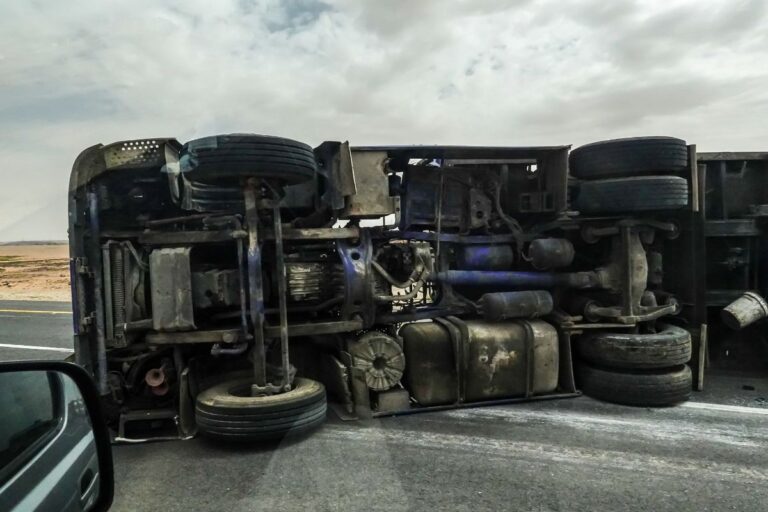
Who Can I Sue After Being Injured in a Crash With a Semi-Truck?
- May 26, 2025
- Auto Accidents
When a semi-truck crash causes serious injury, most people assume the truck driver is the only one at fault. Distracted driving, risky maneuvers, or driving while tired are all major causes of truck accidents, but liability in these cases often extends much further. Commercial trucking […]
Read More
What Are My Options for Compensation After a Hit-and-Run in Chattanooga?
- May 12, 2025
- Car Accidents
Getting hit by another driver is stressful enough. But the situation becomes even more overwhelming when that driver speeds off without stopping. You’re left injured, shaken, and unsure of what to do next. You don’t know who hit you. You don’t have their insurance. And […]
Read More
What To Know About Accidents Involving Out-of-State Semi-Trucks
- April 28, 2025
- Auto Accidents
Highways and interstates around Chattanooga see a constant stream of semi-trucks transporting goods across state lines. Dubbed Freight Alley, the city sits at the crossroads of I-24 and I-75, with more than 33 million tons of freight expected to pass through by 2035. With so […]
Read More
How Long Do I Have to File a Car Accident Claim in Chattanooga?
- April 14, 2025
- Car Accidents
If you were injured in a car accident in Chattanooga, you do not have much time to file a claim. Tennessee has one of the shortest statutes of limitations for personal injury cases in the country. While many states, like Georgia and Arkansas, allow two […]
Read More